
How AI Technology Is Transforming Personal Appearance Analysis and Personalized Styling
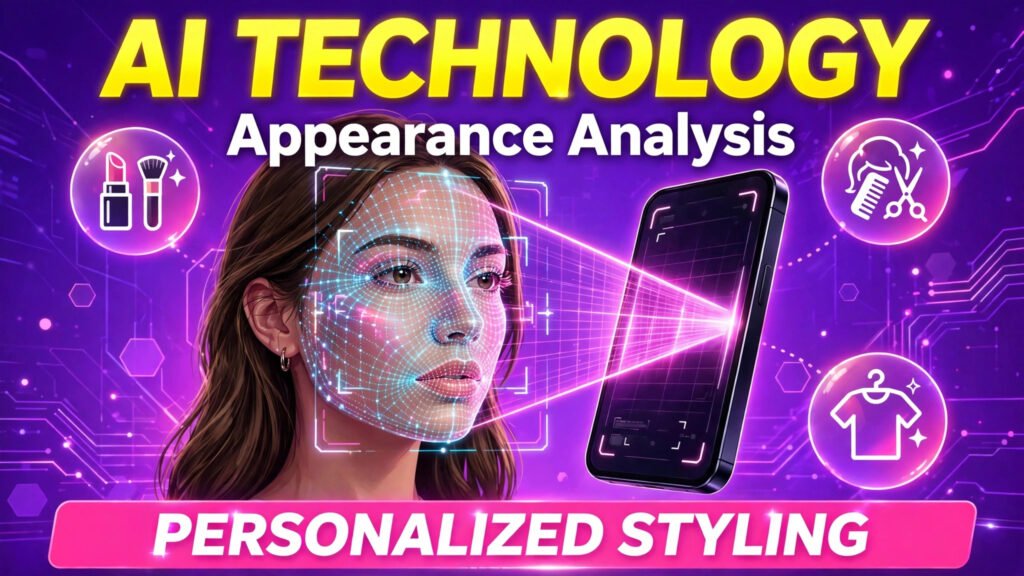
Artificial intelligence is changing the way people understand their appearance, explore fashion choices, and make personal styling decisions. From analyzing facial features to identifying body shapes, modern digital tools are making personalized appearance analysis more accessible than ever.
In the past, people often relied on professional stylists, beauty consultants, or manual measurements to understand which clothing styles, hairstyles, and accessories suited them best. Today, technology offers convenient alternatives that help users explore these options online.
AI-powered tools and digital calculators are creating new opportunities for personalized styling. They allow individuals to learn more about their physical features and make more informed decisions about fashion and personal appearance.
The Growing Role of AI in Personal Appearance Analysis
Artificial intelligence has introduced new possibilities in image processing, pattern recognition, and personalized digital experiences. These technologies can analyze visual information, recognize patterns, and help users understand different aspects of their appearance.
One of the biggest advantages of digital appearance analysis is convenience. Instead of visiting a specialist for basic guidance, users can explore online tools from their smartphones or computers.
These tools can help people understand their body proportions, facial features, and styling preferences. Although digital results may not replace professional advice, they can provide a useful starting point for personal exploration.
As AI technology continues to develop, appearance-related applications are becoming an increasingly interesting part of the digital beauty and fashion industry.
How Body Shape Analysis Helps With Personalized Fashion
Understanding body proportions can make choosing clothes easier. Different clothing designs create different visual effects, and knowing your general body shape can help you explore styles that complement your proportions.
Body shape analysis typically involves comparing measurements such as the bust, waist, hips, and sometimes shoulders. Based on these proportions, individuals can identify common body shape categories, including hourglass, pear, apple, rectangle, and inverted triangle.
Online tools have made this process more accessible. For example, a Body Shape Calculator allows users to enter their measurements and explore their possible body shape category.
This type of tool can be useful for people who want to understand their proportions before exploring different clothing styles.
Why Understanding Body Proportions Matters
Body shape awareness can help individuals:
- Explore clothing styles that complement their proportions.
- Understand differences between common body shape categories.
- Make more informed fashion choices.
- Experiment with different outfit combinations.
- Develop a personal styling approach.
It is important to remember that body shape categories are general guidelines rather than strict rules. Personal comfort, individual preferences, and confidence should always remain more important than following a particular fashion category.
The Role of AI in Facial Shape Detection
Facial features are another important part of personalized styling. Different face shapes can influence how certain hairstyles, glasses, and accessories appear.
Facial shape analysis generally considers features such as forehead width, cheekbone structure, jawline, and overall face length. By comparing these characteristics, people can explore common categories such as oval, round, square, heart, and diamond-shaped faces.
Digital facial analysis tools make this process easier for people who want to learn more about their facial proportions.
For example, Face Shape Detector provides an online way to explore face shape categories. Such tools can help users better understand their facial structure when considering different hairstyles, eyewear, and personal styling options.
How Face Shape Knowledge Can Improve Styling Choices
Understanding face shape can be helpful when exploring different appearance-related choices.
For instance, someone with a round face may want to experiment with hairstyles that create the appearance of additional length. Someone with a square face might explore styles that soften the visual appearance of their jawline.
Similarly, face shape awareness can help people compare different glasses frames and accessories.
However, these recommendations should be treated as styling suggestions rather than fixed rules. Fashion is subjective, and the best choice is ultimately the one that makes an individual feel comfortable and confident.
How AI Connects Body Shape and Facial Analysis
Body shape analysis and facial shape detection focus on different aspects of personal appearance, but they share a common purpose: helping people understand their individual features.
When combined, these approaches can contribute to a more personalized styling experience.
For example, someone preparing for a special occasion might consider their body proportions when selecting an outfit and their facial features when choosing a hairstyle or glasses.
Digital tools can make these initial assessments easier and help users explore different possibilities before making styling decisions.
In the future, more advanced applications may combine multiple types of appearance analysis to provide personalized fashion suggestions. Such systems could potentially consider clothing preferences, facial proportions, body measurements, and individual style choices together.
Benefits of Digital Appearance Analysis Tools
Online appearance analysis tools offer several practical advantages.
1. Convenience: Users can access many digital tools without scheduling appointments or visiting a physical location.
2. Accessibility: Online calculators and detection tools make basic appearance analysis available to people with internet access.
3. Personal Exploration: Users can learn about different body and face shape categories at their own pace.
4. Better Styling Decisions: Understanding personal proportions can provide useful guidance when exploring hairstyles, clothing, and accessories.
5. Time Efficiency: Digital tools can simplify basic analysis and reduce the effort involved in researching appearance-related information manually.
Despite these advantages, users should understand that results depend on the quality of measurements, images, and the technology behind each tool. Not every online appearance tool uses artificial intelligence, and results should not automatically be considered professionally verified.
The Future of AI in Beauty and Fashion
The relationship between artificial intelligence and the fashion industry is likely to become stronger as digital technologies continue to improve.
Virtual try-on experiences, personalized shopping recommendations, image recognition, and automated styling assistants are already creating new opportunities for consumers and businesses.
Future applications may provide more detailed recommendations by combining different sources of personal styling information. For example, an application could help users explore clothing combinations based on their preferred fashion style, body proportions, and accessory choices.
Fashion retailers may also benefit from these developments by offering more personalized shopping experiences and helping customers discover products that match their preferences.
However, privacy and responsible data handling will remain important considerations, especially for applications that process personal photographs or body measurements. Users should always understand how their information is collected, processed, and stored before using such services.
Conclusion
Artificial intelligence and digital analysis tools are creating new ways for people to understand their appearance and explore personalized styling options. From body shape identification to facial feature analysis, technology is making basic appearance-related guidance more accessible and convenient.
Although these tools cannot replace professional styling expertise or guarantee perfect results, they can help individuals make more informed decisions about clothing, hairstyles, and accessories.
As AI continues to evolve, the combination of body shape analysis, facial shape detection, and personalized fashion recommendations could play an increasingly important role in the future of beauty and fashion.