
Snapchat Planets Order: The Complete Ranking List Explained
Snapchat Planets rank your closest friends from Mercury to Neptune based on how often you message them. Mercury is your most frequent contact, Neptune is the lowest ranked among your top friends shown. The order mirrors real planet distance from the sun.
What Are Snapchat Planets
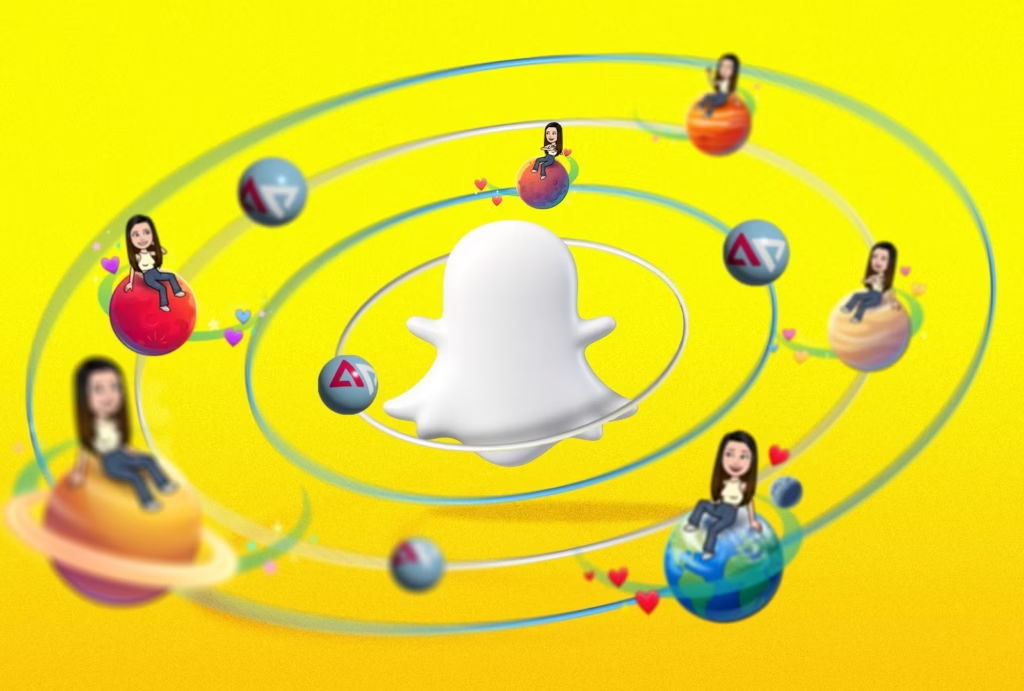
Snapchat Planets is a trend that turns your Best Friends list into a visual solar system. You sit at the center as the sun, and your top ranked friends appear as planets, positioned by how often you actually message each other.
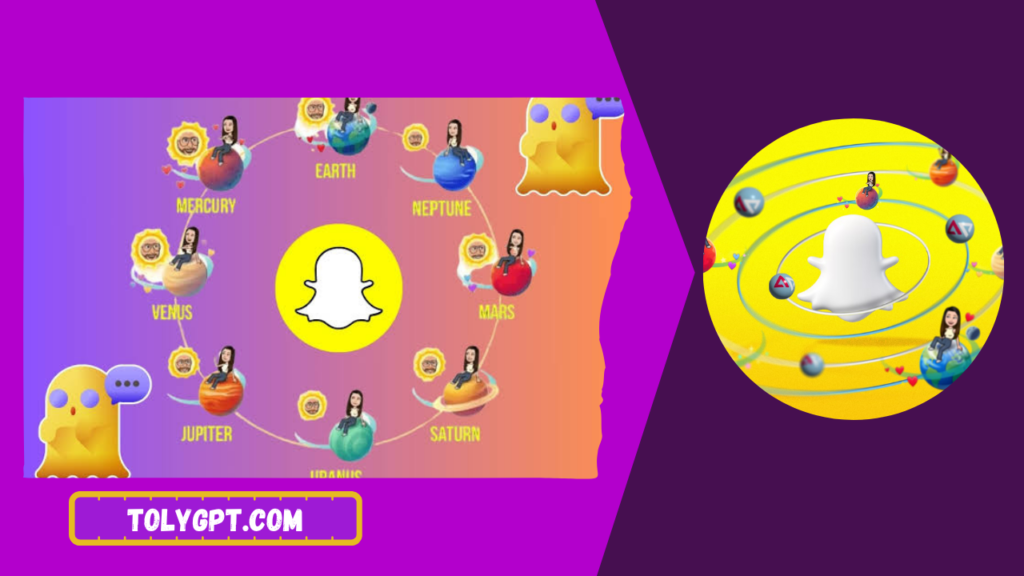
The closer a planet sits to the sun, the more frequent your snaps and messages with that friend. It is built from Snapchat’s existing Best Friends ranking, repackaged into a shareable visual format that spread fast across TikTok and Instagram.
Full Snapchat Planets Order List
- Mercury – Your number one contact, the friend you message most often.
- Venus – Your second most frequent contact.
- Earth – A consistently active close friend.
- Mars – A strong contact with slightly less frequent messaging.
- Jupiter – A steady but less frequent friend.
- Saturn – An occasional but still ranked contact.
- Uranus – A lower frequency contact within your top friends.
- Neptune – The farthest ranked position typically shown.
This order follows the same sequence as real planetary distance from the sun, applied to your messaging frequency instead of astronomy.
What Each Planet Rank Actually Means
|
Rank |
Planet |
What It Signals |
|---|---|---|
|
1 |
Mercury |
Highest message frequency, your top contact |
|
2 |
Venus |
Very high frequency, close second |
|
3 |
Earth |
Regular, consistent daily or near daily contact |
|
4 |
Mars |
Frequent but slightly behind top three |
|
5 |
Jupiter |
Steady contact, moderate frequency |
|
6 |
Saturn |
Occasional but active messaging |
|
7 |
Uranus |
Lower frequency within your ranked friends |
|
8 |
Neptune |
Lowest frequency among top ranked contacts |
The ranking measures message volume and recency, not emotional closeness. A sibling you text about small daily things can outrank a close friend you message less often but talk to deeply in person.
Read also How To Use AI To Pass ALEKS Faster
How to Find Your Snapchat Planets Order
- Open Snapchat and check your Best Friends list under your profile.
- Note the order your friends appear in, since this reflects your actual ranking.
- Match each friend to a planet position using the order list above.
- Use a solar system template or generator to visualize the result if you want to share it.
- Remember the list updates as your messaging habits change over time.
Snapchat does not display every account the exact same way, so some users rely on templates or third party tools built around the existing Best Friends data rather than one single native screen.
Why the Ranking Changes Over Time
Your Snapchat Planets order is not fixed. It shifts based on recent messaging activity, so a friend you talk to constantly for a few weeks can move closer to Mercury, while someone you message less during a busy stretch can drift toward Neptune.
This is the most important thing to understand before reading too much into any single ranking. It reflects a recent snapshot of communication habits, not a permanent judgment about how much someone matters to you.
Common Questions About the Order
Does the order mean the same thing for everyone? No. Your solar system is based on your own interaction history and is specific to you. The person who ranks you as Mercury may not rank you the same way you rank them.
Can two friends switch planet positions quickly? Yes. Since the ranking follows recent frequency, an active week of messaging can shift positions noticeably compared to a quieter period.
Is there an eighth planet limit, or can more friends be included? Most versions of the trend use the eight traditional planets, covering your top eight most frequent contacts, though some templates extend further using dwarf planets or additional ranks.
Pros and Cons of the Planets Ranking Trend
Pros
Simple, visual way to see who you interact with most. Easy to generate and share across social platforms. Sparks light, engaging conversations among friend groups. Based on real interaction data rather than guesswork.
Cons
Easily misread as a measure of friendship depth instead of frequency. Can cause unnecessary hurt feelings if taken too literally. Changes over time, which can create a skewed snapshot during unusual weeks. Not one single official Snapchat feature, which causes some confusion about how results are generated.
Read also Is AI a Scrabble Word?
How Planets Compares to Snapchat’s Official Best Friends Emojis
It helps to know that “Planets” is a fan-made way of visualizing something Snapchat has actually tracked officially for years through its Best Friends emoji system. Snapchat assigns specific emojis next to a contact’s name based on your interaction history, and these are the real signals the unofficial Planets trend is built on top of. A yellow heart means you are each other’s number one Best Friend; that upgrades to a red heart once you have held that #1 spot together for two weeks, and to pink hearts after two months. A fire emoji marks an active Snapstreak (three or more consecutive days exchanging snaps), which turns into a 100 emoji once a streak hits 100 days, and an hourglass warns you when a streak is about to expire within 24 hours. A baby emoji shows a friendship that just started, a smiling face marks someone on your Best Friends list who is not your #1, and sunglasses or a grimacing face indicate you share a mutual Best Friend or the very same #1 Best Friend as someone else.
The Planets trend essentially takes this existing, official ranking data and gives it a more visual, shareable presentation, which is part of why it spread so quickly. Neither system is a perfect measure of how much someone actually cares about you; both simply reflect how often you exchange snaps, which can be shaped by habit, notification settings, or how much free time someone has, just as much as by genuine closeness.
Frequently Asked Questions
What does it mean if someone ranks me as Mercury? It means you are their most frequent Snapchat contact based on recent messaging activity, not necessarily their closest emotional relationship.
How is the Snapchat Planets order calculated? It follows your Best Friends list, which Snapchat builds from how often you send and receive snaps and messages with each contact.
Why did my planet position change? Positions shift based on recent interaction frequency, so a change in how often you message someone will move their rank over time.
Should I be upset about a low planet ranking? Not necessarily. The order reflects messaging frequency, not how much someone values the friendship. Many close relationships involve less frequent texting for practical reasons.
What is the difference between Snapchat Planets and the official Best Friends emojis? Planets is an unofficial, fan-made visualization; the emojis (yellow heart, fire, hourglass, and so on) are Snapchat’s own official system. Planets is typically built by reordering your Best Friends list to match planetary distance from the sun, using the same underlying frequency data the emojis are based on.
Conclusion
The Snapchat Planets order runs from Mercury to Neptune, ranking your top friends by how often you actually message them, not by emotional closeness. Check your Best Friends list, match it to the order above, and remember that a shift in ranking usually just reflects a change in recent habits, not a change in how much someone cares about you.